Free Shipping
 Easy
Easy Money-back


Protein powder is safe for most healthy adults. Quality, sourcing, and manufacturing standards vary widely between brands, so the key is knowing what to look for before you buy. Safe protein powder in Australia depends on where it's made, what's in it, and whether it's been independently tested.
Roughly 47% of the 160 top-selling protein powders tested in the Clean Label Project's most recent study exceeded safety thresholds for heavy metal contamination. That number gets shared a lot, usually without context. It's worth understanding what it actually means. And what it means for you.
Protein powder is safe for most healthy adults when you choose the right product. But "protein powder" is not one thing. It's a category spanning hundreds of formulas, from well-tested local brands to bulk imports with no independent quality checks. The question isn't whether the category is safe. It's whether the specific product you're using is.
Why does protein powder get flagged for safety concerns?
The concern isn't with protein itself. Your body handles dietary protein well, whether from a chicken breast or a scoop of powder. The safety conversation is really about what else might be in the product.
The main concerns are heavy metals, additives, and label accuracy.
The main heavy metals found in protein powder testing are lead, cadmium, arsenic, and mercury. All occur naturally in soil and water, and some agricultural ingredients absorb them from the ground. Cacao is a notable example: chocolate-flavoured protein powders in the Clean Label Project study showed four times as much lead as vanilla. Organic certification doesn't help here. Organic products in the same study showed three times more lead than non-organic ones, likely because organic farming limits the synthetic soil amendments that can otherwise reduce heavy metal uptake.
None of this means protein powder is harmful. Context matters. The Prop 65 thresholds the study used are conservative. They're set at a 1000-fold safety margin below amounts that cause any observed health effect. Detection of a heavy metal isn't the same as a health risk. But for a product you're using daily, it's reasonable to want that number to be as low as possible.
Is Your Protein Powder Safe?
(160 products tested)
Signs of a well-made protein powder
- ✓ Made in Australia
- ✓ Third-party tested (HASTA / Informed Sport)
- ✓ Short, readable ingredient list
- ✓ Brand publishes batch test results
- ✓ Transparent about ingredient sourcing
Flavour matters more than you'd think
Chocolate-flavoured protein powders showed 4× more lead than vanilla in independent testing. Cacao accumulates heavy metals naturally from soil. Australian-made and tested products are the safest default.
Is protein powder regulated in Australia?
Yes, but not in the way many people assume.
Most protein powders sold in Australia are regulated as food products under the Food Standards Code, administered by Food Standards Australia New Zealand (FSANZ). They're not regulated as medicines or therapeutic goods by the TGA, unless they make specific therapeutic claims or come in tablet or capsule form.
What that means in practice: FSANZ sets standards for contaminants, labelling, and ingredient safety. Australian-manufactured protein powders must meet those standards, and FSANZ's testing surveillance programs have consistently found heavy metal levels below detection limits in locally made protein and dairy products.
Imported products are a different story. They must meet the same food standards when sold in Australia, but overseas manufacturing conditions vary. Some brands voluntarily pursue third-party certifications such as Informed Sport, NSF Certified for Sport, or HASTA in Australia. These provide an independent check that what's on the label matches what's in the product. A product with one of these certifications has been tested by a lab with no financial stake in the outcome.
The cleanest signal is a combination of Australian manufacture and third-party testing. One without the other is fine. Both together are better.
What ingredients are worth paying attention to?
- Protein source and quality
The protein fraction itself is the point. Look for a product where protein is the primary ingredient, not filler. The label should tell you the source (faba bean, pea, whey, rice) and the amount per serving.
- Sweeteners
Most flavoured protein powders use some form of sweetener. Stevia and erythritol are common natural choices. Erythritol is worth noting specifically: it's a sugar alcohol, but it behaves differently from others in the category. Most of it's absorbed in the small intestine before it reaches the large intestine, where fermentation happens. That makes it generally well tolerated for people who find other sugar alcohols (sorbitol, maltitol, xylitol) harder on their digestion. If you've avoided sugar alcohols before because of digestive sensitivity, erythritol is worth reconsidering.
- Thickeners and gums
Xanthan gum, guar gum, and carrageenan are common texture agents. They're generally recognised as safe, but some people with sensitive digestion notice issues at higher amounts. If you're finding a product heavy on the stomach, try a shorter ingredient list (or an unflavoured version).
- Label accuracy
A well-made product tells you exactly what's in it. If you're counting on a specific protein amount per serve, the label needs to be accurate. This is one reason third-party certification is useful. It confirms that what's listed is actually what's there.

How do you find a safe protein powder in Australia?
A few practical questions worth asking before you buy:
-
Where is it made?
Australian-manufactured means FSANZ compliance and local manufacturing standards. That's a meaningful baseline. For an imported product, check whether the brand publishes batch-test results.
-
Has it been independently tested?
Informed Sport or HASTA certification means an independent lab has verified the product. This matters most if you're in a sport with drug testing, but it's a useful quality signal either way.
-
What does the ingredient list look like?
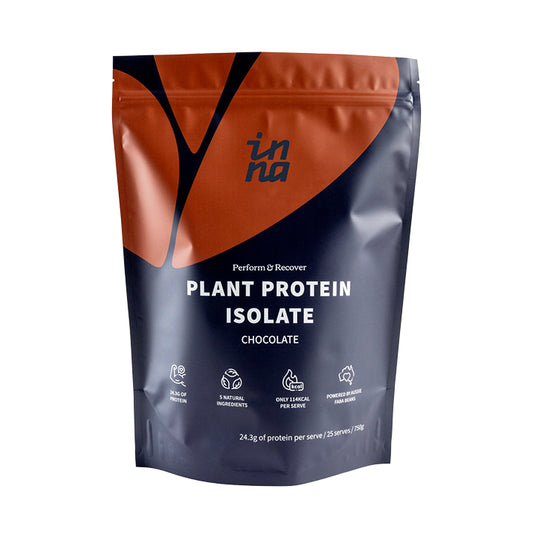
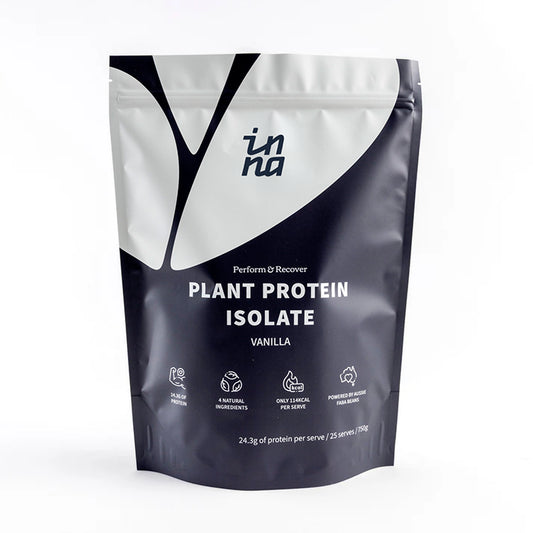
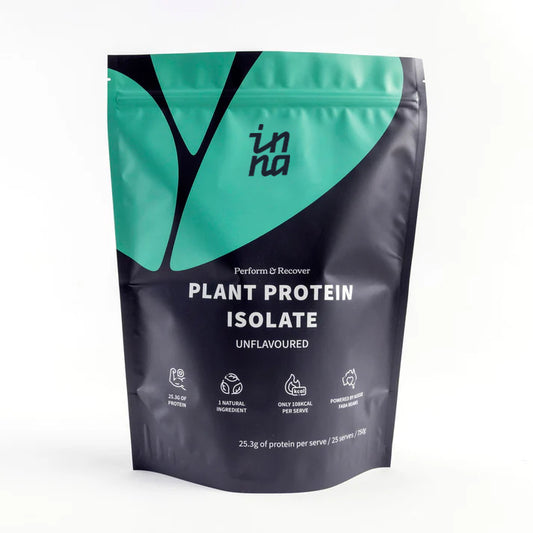
Shorter is generally better. A product where you recognise every ingredient is easier to assess than one with a long list of additives. Inna Protein product page, see ingredients list
-
Does the brand publish test results?
Some brands make Certificates of Analysis available on request or on their website. If a brand won't answer questions about testing, note that.
Inna Protein is made in Australia using faba bean isolate. It's a single-source plant protein grown and processed here. The faba bean itself is a legume with a clean nutritional profile and no documented heavy metal accumulation concerns at the levels found in Australian soils. For people switching from a product they're unsure about, it's a straightforward choice.
The practical takeaway
Protein powder is safe for most people. The 47% figure that circulates online is real, but it comes with context. Those thresholds are conservative; the study tested products from across the global market, and Australian-made products consistently perform better on contaminant testing than imports.
Your checklist before buying: Australian-made, third-party tested if possible, a short ingredient list you understand, and a brand willing to answer questions about where their product comes from. Those four things narrow the field considerably.