Free Shipping
 Easy
 Money-back


Protein powder isn't inherently bad for gut health, but the type of protein and the additives in the product make a real difference. Dairy-based proteins can cause issues for people with lactose sensitivity, while plant-based options are often better tolerated and may support gut bacteria. The ingredient list tells you most of what you need to know.
The bloating you blamed on protein powder might not be the protein's fault.
Around 1 in 5 Australians experience IBS symptoms at some point in their lives. If you have a sensitive gut, adding a protein supplement can feel like a gamble. It's a reasonable concern. But digestive discomfort is often more specific than "protein powder is bad for digestion." Once you know what to look for, it becomes much easier to avoid.
Does protein powder cause bloating?
It can, but the protein itself is rarely the problem.
More commonly, the culprits are the extra ingredients that come along for the ride. Many protein powders include artificial sweeteners, fillers like maltodextrin, thickening gums, and emulsifiers.
Your digestive system may not handle these well, especially if your gut is already sensitive.
Some sugar alcohols used as sweeteners in protein powders, such as sorbitol, maltitol, and xylitol, are poorly absorbed in the small intestine. They travel to the large intestine, where gut bacteria ferment them and produce gas. This is a well-documented pathway to bloating. Not all sugar alcohols behave the same way, though. Erythritol, for example, is largely absorbed before it reaches the large intestine, making it much better tolerated than others in this group.
If you're experiencing digestive discomfort from a protein powder, the first thing worth checking is the ingredient list, not the protein itself.
Why dairy-based proteins can be harder to digest
Whey and casein proteins both come from milk. Around 15% of Australians experience some degree of lactose intolerance, which means the residual lactose in dairy-based protein powders can trigger gas, cramping, or bloating for a meaningful portion of users.
This matters if you've assumed you simply can't tolerate protein supplements. Switching protein source, rather than removing protein powder altogether, often resolves the issue.
Whey isolate contains significantly less lactose than whey concentrate, because the processing removes more of the milk sugar. But for people with more pronounced sensitivity, a dairy-free option removes the variable entirely.

How does plant protein affect your gut microbiome?
This is where plant protein gets genuinely interesting from a gut health perspective.
Research published in Food Chemistry: X reviewed the interaction between plant proteins and gut microbiota. It found that plant proteins modify microbial communities in ways that tend to benefit gut health, including increases in beneficial bacteria such as Akkermansia muciniphila and Bifidobacterium, both associated with intestinal health and immune function.
Plant proteins also generate short-chain fatty acids (SCFAs) during fermentation in the gut. SCFAs are the primary fuel source for the cells lining your colon. Butyrate, one key SCFA, is linked to reduced inflammation in the gut lining and better barrier integrity.
Dairy-based proteins don't produce the same effect. They tend to generate different fermentation byproducts, including more ammonia and sulphur compounds, particularly in the large intestine. This doesn't make dairy protein harmful on its own. Context and overall diet matter considerably. But it does mean plant proteins have a different gut profile, and for many people, a more comfortable one.
Does the type of plant protein matter for digestion?
It does. Different plant proteins have different digestibility depending on the source and how the protein is processed.
Whole legumes such as whole beans and lentils naturally contain anti-nutritional factors like phytates and trypsin inhibitors. These can reduce how efficiently you digest the protein and sometimes contribute to digestive discomfort. Protein isolates go through a process that removes much of this material, resulting in a more concentrated protein that's generally easier on the gut than eating the whole food in large quantities.
Faba bean protein isolate, for instance, retains the amino acid profile of the whole bean while being considerably gentler to digest. A study in the Journal of Nutrition assessed the true ileal digestibility of faba bean protein in healthy adults and found strong digestibility results that position it well among plant protein sources.
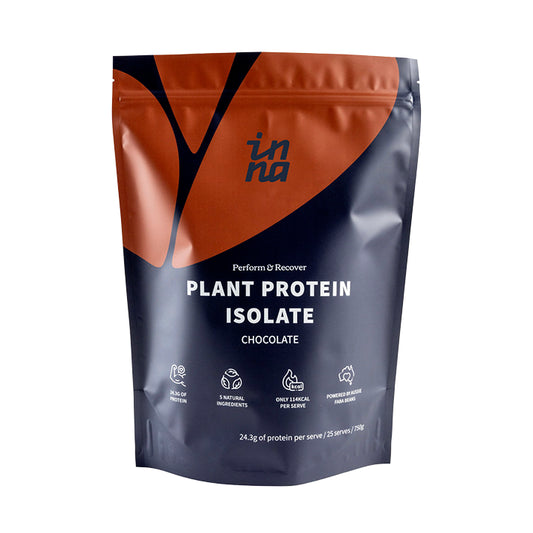
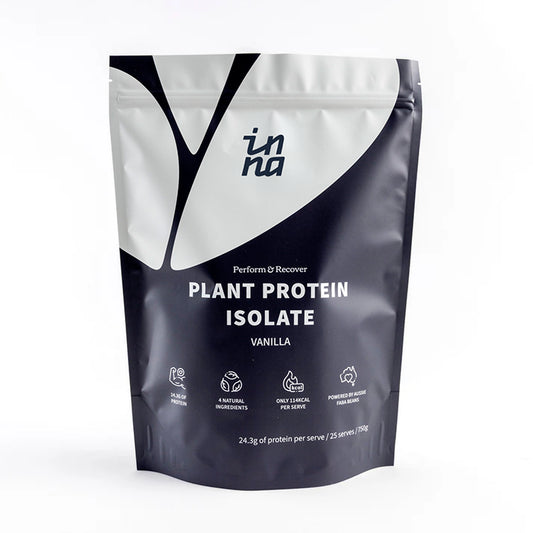
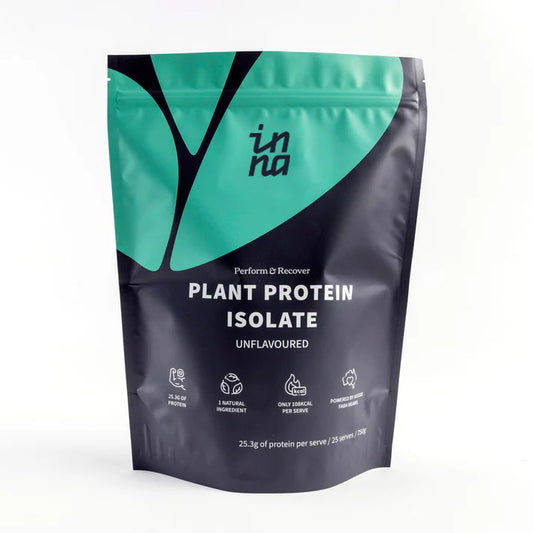
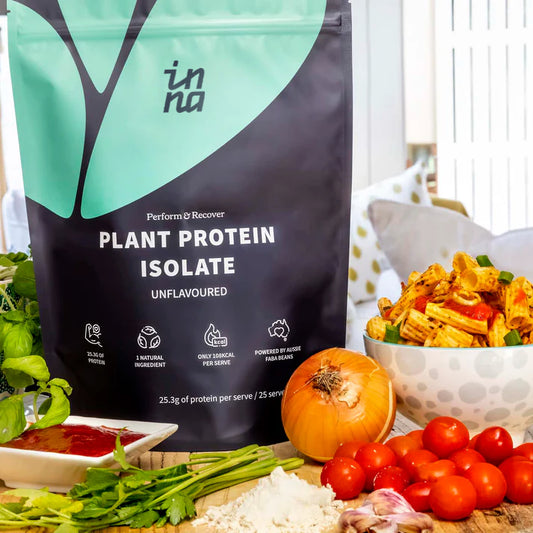
Inna Protein is a faba bean isolate, made in Australia. The unflavoured version contains nothing but faba bean protein. That's about as minimal as a protein powder gets for those who want a short ingredient list.
What to look for when choosing a protein powder for gut health
Inna Protein
What's in your protein powder?
A quick ingredient check for gut-sensitive people
Look for this
Easier on the gut
Worth checking
Common gut triggers
Australians are affected by IBS symptoms at some point in their lives -- making ingredient choice especially worth the read.
There's no single best protein for gut health, but a few practical steps make it easier to narrow things down.
Start with the ingredient list. A shorter list with ingredients you recognise is a useful starting point. It doesn't guarantee a product is right for your gut, but a long list of additives, gums, and stabilisers adds complexity to what your digestive system has to process.
If you know you're sensitive to lactose, a plant-based protein removes that variable cleanly. If you've had reactions to other plant proteins, check whether the issue came from the base protein or the additives. The answer often changes what you try next.
For people managing IBS or other digestive conditions, it's worth introducing any new protein supplement gradually and paying attention over a few days, rather than concluding after one serving.
The gut responds differently for different people. What matters is finding something your digestive system consistently handles well and knowing what to look for, so you're making that choice based on evidence rather than trial and error.