Free Shipping
 Easy
 Money-back


When you have your protein shake matters far less than how much protein you're eating across the whole day. Research consistently shows that total daily protein intake drives muscle gain and recovery, not the timing of any single serving. That said, there are a few specific windows where timing does make a real difference.
The supplement industry built an entire category around the idea that you have 30 minutes after a workout to get protein in before the gains disappear. Protein bars at the gym exit. Shakers already filled and waiting. A whole ritual built on urgency.
Most of that urgency is not supported by the evidence.
Where did the "anabolic window" idea come from?
The anabolic window refers to the idea that muscles are especially primed to absorb protein immediately after training. The theory is based on real biology: resistance exercise does stimulate muscle protein synthesis, and providing amino acids during that elevated state makes sense in principle.
The problem is that the "elevated state" lasts considerably longer than 30 minutes. Research published in PeerJ found no meaningful difference in muscle growth or strength gains between people who consumed protein immediately before or after exercise when total daily intake was the same. The study followed 21 resistance-trained men over 10 weeks. Squat strength increased at similar rates in both groups. Bench press results were comparable. Post-workout protein offered no statistically significant advantage over pre-workout protein.
A broader analysis of protein timing research reached the same conclusion. A meta-analysis published in the Journal of the International Society of Sports Nutrition found that studies reporting benefits from protein timing often had unequal total protein intake between groups, meaning the apparent "timing effect" was a total intake effect in disguise.
Total intake accounts for most of the difference in outcomes. If you hit your daily target, timing matters far less than once thought.
Does total protein matter more than timing?
Yes, consistently and by a significant margin.
A 2022 systematic review and meta-analysis covering 49 strength training studies found that roughly 1.6 grams of protein per kilogram of body weight per day was sufficient to maximise muscle development for most people engaged in resistance training. The review found no additional benefit from higher intakes in most conditions. You can read a summary at Strengthlog's breakdown of the research.
For a 65 kg woman who trains regularly, that's around 104 grams of protein per day. Whether those 104 grams come across three meals or five, whether one of them is a shake before training or after, is largely a secondary detail.
The practical implication is that if you don't hit your daily protein target, no amount of perfect timing will make up for the shortfall. Timing is a refinement. Getting enough protein is the foundation.
Is there a time when protein timing matters?
Yes, two situations are worth paying attention to.
Before bed, the longest stretch most people go without protein is overnight. Muscle protein synthesis continues during sleep, but it needs amino acids to work with. Research from Dr Tim Snijders and colleagues at Maastricht University, reviewed in Frontiers in Nutrition, found that consuming protein before sleep meaningfully supports overnight muscle protein synthesis. Participants who consumed around 30 grams of protein before sleep showed greater overnight muscle protein synthesis than those who did not. The benefits appeared without increasing body fat.
If you train in the evening and eat dinner early, there's often a gap of seven or eight hours before breakfast. A small protein serving before bed can fill that gap.
After a long gap between meals, the post-workout window matters when you train first thing in the morning after an overnight fast, or when you've gone five or more hours without protein. In that context, having protein reasonably soon after training is sensible, not because of a closing window, but because your body has been running low for a while.
Outside those two situations, the timing of your shake is a personal preference, not a performance variable.

What about protein in the morning or before a workout?
Morning protein is worth getting in simply because it starts the day's intake tracking off well. There's no evidence it's metabolically superior to protein at any other time. Still, people who eat a protein-containing breakfast tend to find it easier to hit daily targets without relying on large servings later in the day.
Pre-workout protein is a reasonable approach if you train fasted or close to it. Some people find it helps with energy and focus during training. There's no strong evidence it produces better muscle gains than post-workout protein at the same daily total, but it's a practical option.
In short: the best time for a protein shake is whenever you'll have it consistently, and whenever it helps you reach your daily intake target.
Does the type of protein you use matter?
For timing specifically, the type of protein can affect how quickly amino acids enter the bloodstream. Whey protein is absorbed relatively quickly and has been the most studied for post-workout use. Casein protein digests more slowly, which is why pre-sleep casein has been the focus of most bedtime protein research.
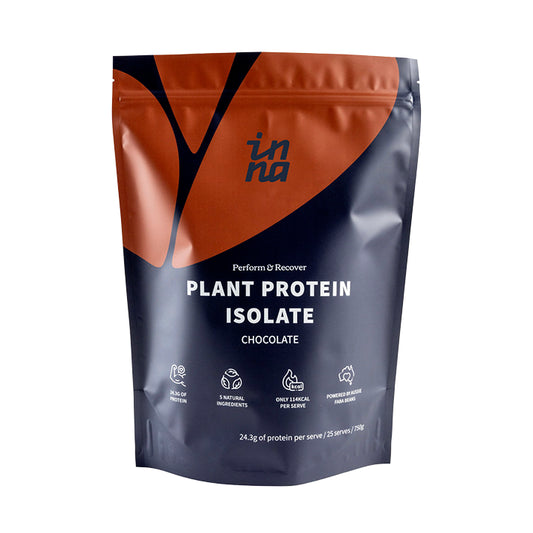
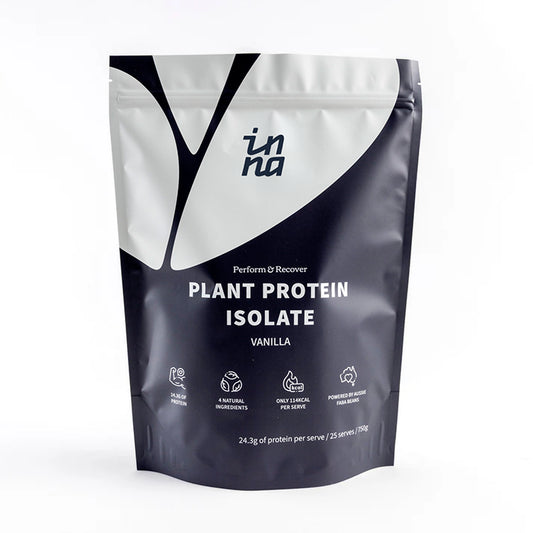
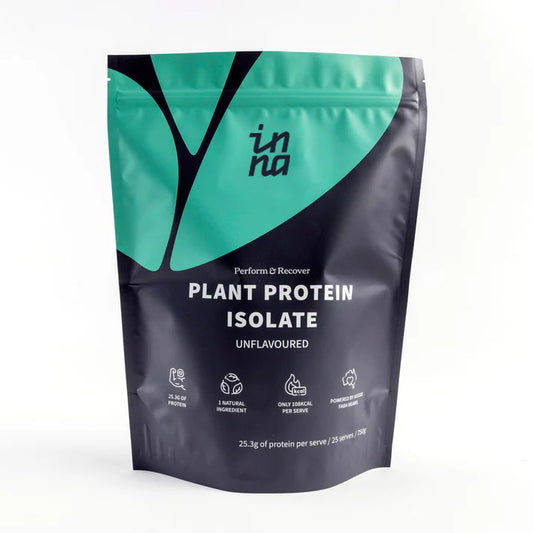
For plant protein, absorption is generally a little slower than whey but broadly comparable for practical purposes. Faba bean protein, the base of Inna Protein, is a complete protein containing all nine essential amino acids. It provides sustained amino acid release that suits most timing scenarios, including pre-sleep use for people who prefer plant-based options.
A practical way to think about protein timing
Think of protein timing as a hierarchy. The most important thing is getting enough protein across the day. The second most useful thing is spreading that intake across meals rather than loading it all into one sitting. The third consideration is filling the two high-value windows: pre-sleep and after extended gaps without protein.
If those three conditions are in place, there's little additional benefit to optimising further. The research doesn't support spending significant time and mental energy on which exact minute you consume your shake.
Start with your daily target. Build habits that make that target easy to hit. Then, if you want to refine further, consider adding a small protein serving before bed on training days.